

Rencontres montagnes et sciences
On Tuesday 3 March 2026 See all timetables
Les Rencontres Montagnes & Sciences offers a different view of the mountains through the lens of film and science: exploration, rescue, study, analysis…
I reserve my placeTimes
-
Tuesday 3 March 2026
from 14h00 to 16h00
from 20h00 to 23h00
A word about the event
Since 2015, Rencontres Montagnes & Sciences has been supported by the eponymous association. The association’s objectives are:
- Make scientific and technical professions attractive and accessible, especially to young people;
- Promote the work of researchers and make scientists aware of the need to communicate with the general public;
- Promoting mountain regions and demonstrating their ability to adapt;
- Increase knowledge of natural and cultural areas and raise awareness of environmental protection issues;
- Encouraging film and audiovisual creation ;
- Make the media and journalists aware of the richness of science news.
Practical info
The festival offers two screenings: the first from 1:30 pm to 4:00 pm for young audiences, followed by a second from 8:00 pm to 11:00 pm for all audiences.
- Accessibility: all films are subtitled in French (ST-SME)
- Price: free, but online booking essential
- Venue: Tignespace auditorium
- Opening hours:
- Doors open at 8:00 p.m.
- Screening starts at 8:30 p.m.
- Screening ends at 10:30 p.m.
Children’s program
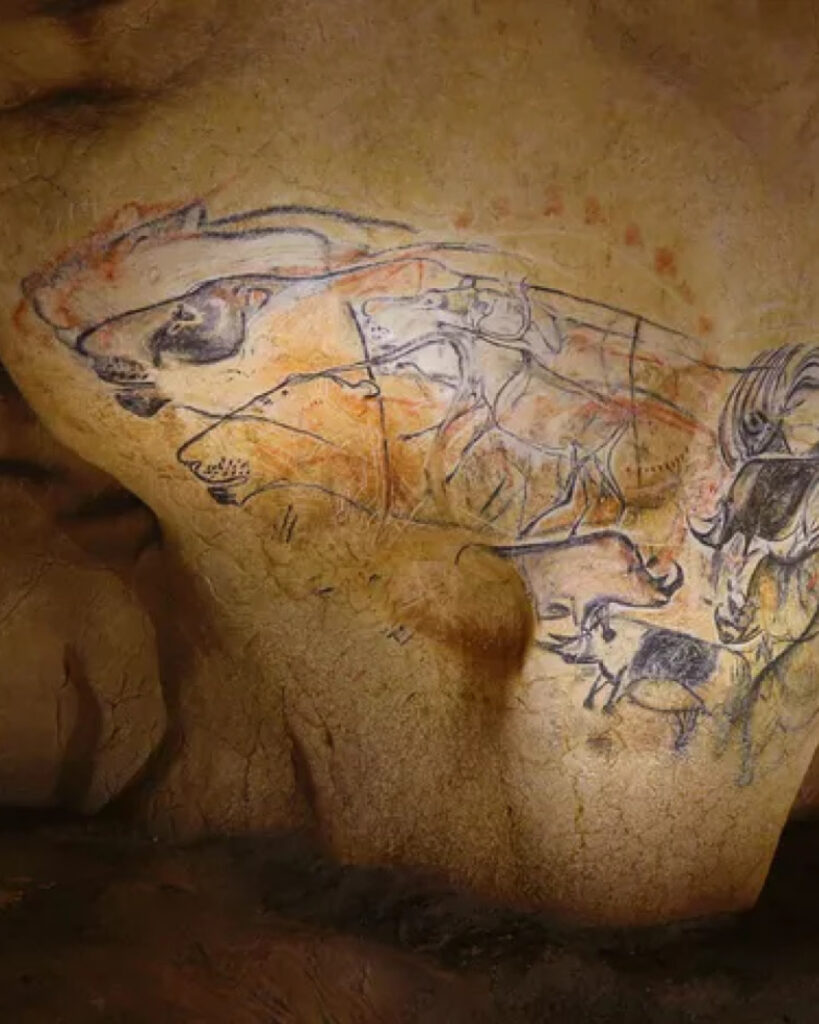
Ardèche, au cœur de la préhistoire
Directed by Yoann Périé (2024)
Running time: 26 minutes
In 1994, three speleologists discovered one of the world’s most exceptional decorated caves in the Ardèche. Immediately protected and then classified as a World Heritage Site, the Chauvet caves continue to unveil their mysteries, providing priceless evidence of life in the Paleolithic era. This film plunges us back into prehistory, following in the footsteps of the artists who created these masterpieces 36,000 years ago.

Tétras-lyre, le dandy des Alpes
Directed by Antoine de Changy (2021)
Running time: 9 minutes
From the depths of time, the black grouse is one of the most precious birds in our mountains. But its survival in a habitat where human use is massive is not easy. Scientists need to know more about it to promote its conservation.
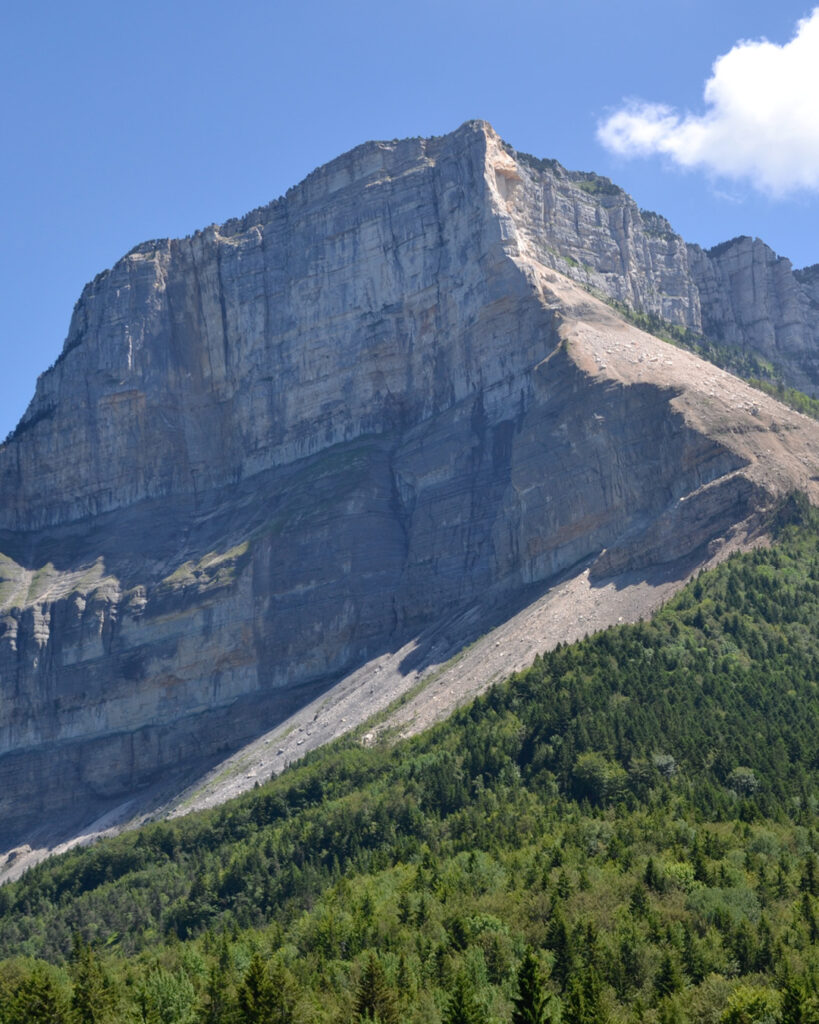
Mont Granier, le chant des failles
Directed by Pierre Petit (2025)
Running time: 11 minutes
From the depths of time, the black grouse is one of the most precious birds in our mountains. But its survival in a habitat where human use is massive is not easy. Scientists need to know more about it to promote its conservation.
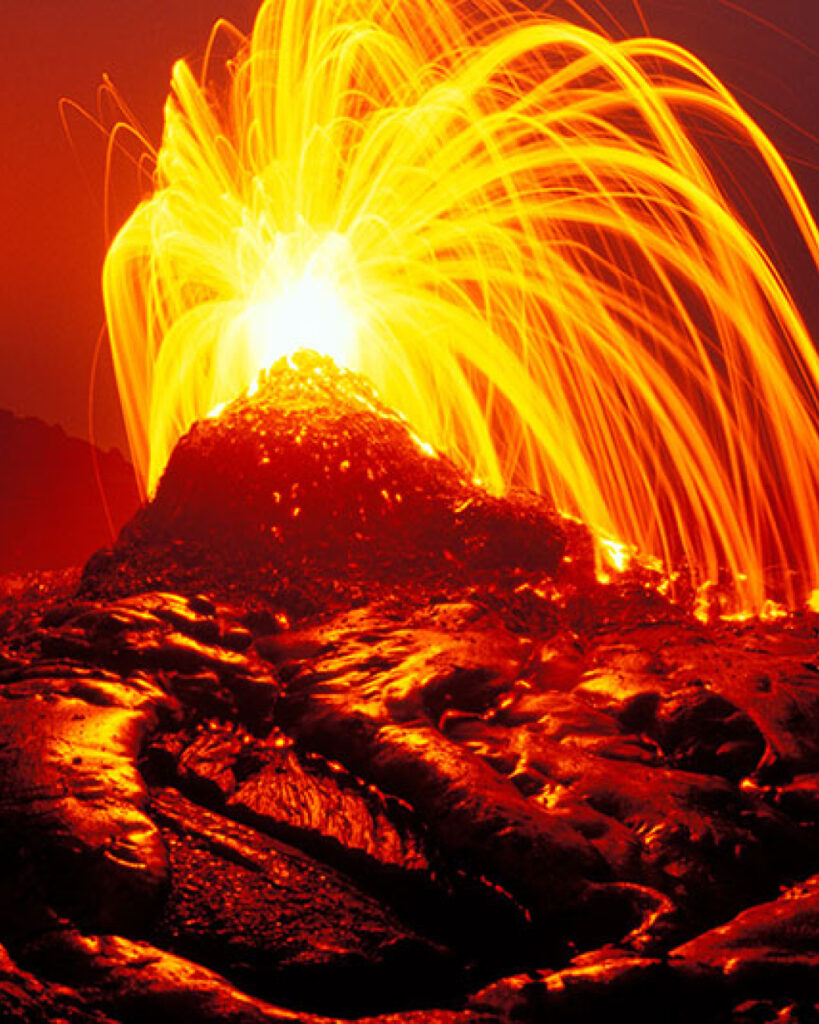
Sous la surface du Kilauea
Directed by Giovan Peyrotty (2024)
Running time: 10 minutes
Our planet is alive. Through an underground network of faults and fractures, magma sometimes spreads from the depths to the Earth’s surface. Why does this happen? But how? Can eruptions be predicted? Dive into the heart of an exceptional scientific mission to Hawaii’s Big Island!

Les chemins de l’eau
Directed by Yves Magat (2024)
Running time: 26 minutes
By the end of the century, most Alpine glaciers will have disappeared. Mountain agriculture, tourism, energy production and ecosystems will all be affected… as will the Valais “bisses”, the traditional irrigation system based on transporting glacier meltwater. In this upheaval, will the bisses be a solution rather than a problem, thanks to their collective management?
General public program
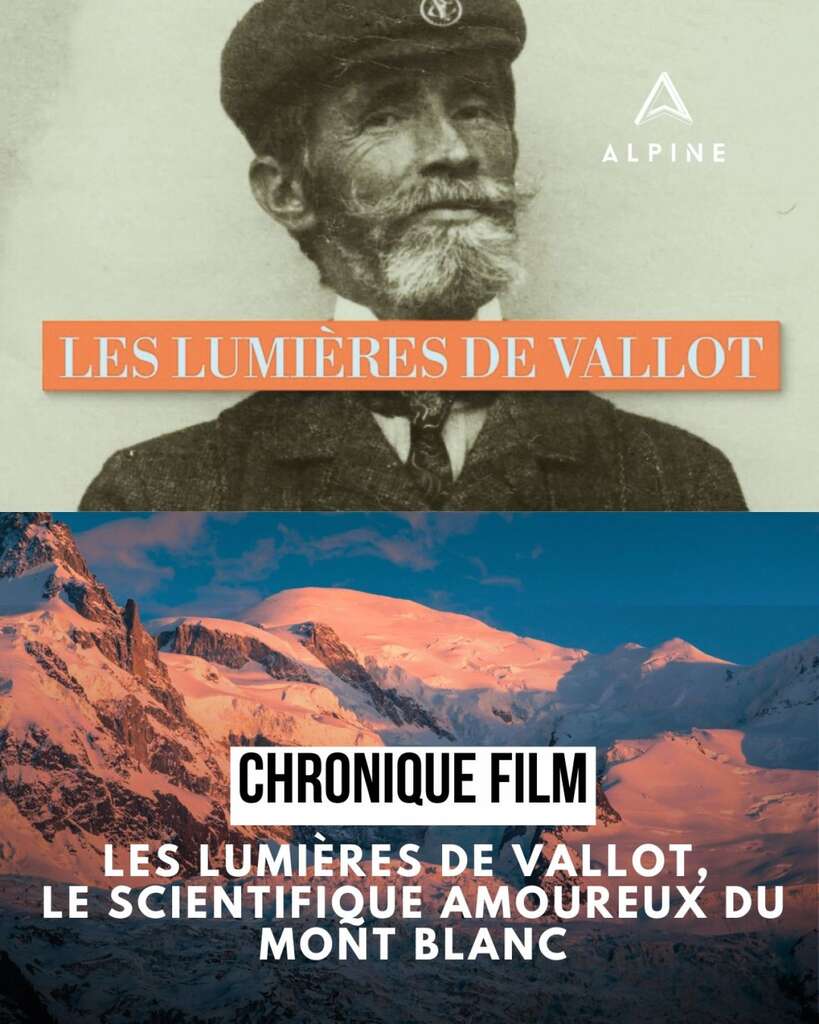
Les lumières de Vallot
Directed by Bertrand Delapierre (2025)
Running time: 36 minutes
Glaciologist, naturalist and mountaineer, Joseph Vallot had a refuge built at the end of the 19th century at an altitude of 4,362 meters, not far from the summit of Mont Blanc. A base camp for numerous experiments that made him a pioneer in the understanding of the high-altitude environment. Alongside numerous scientists, let’s discover the precious legacy of Joseph Vallot.
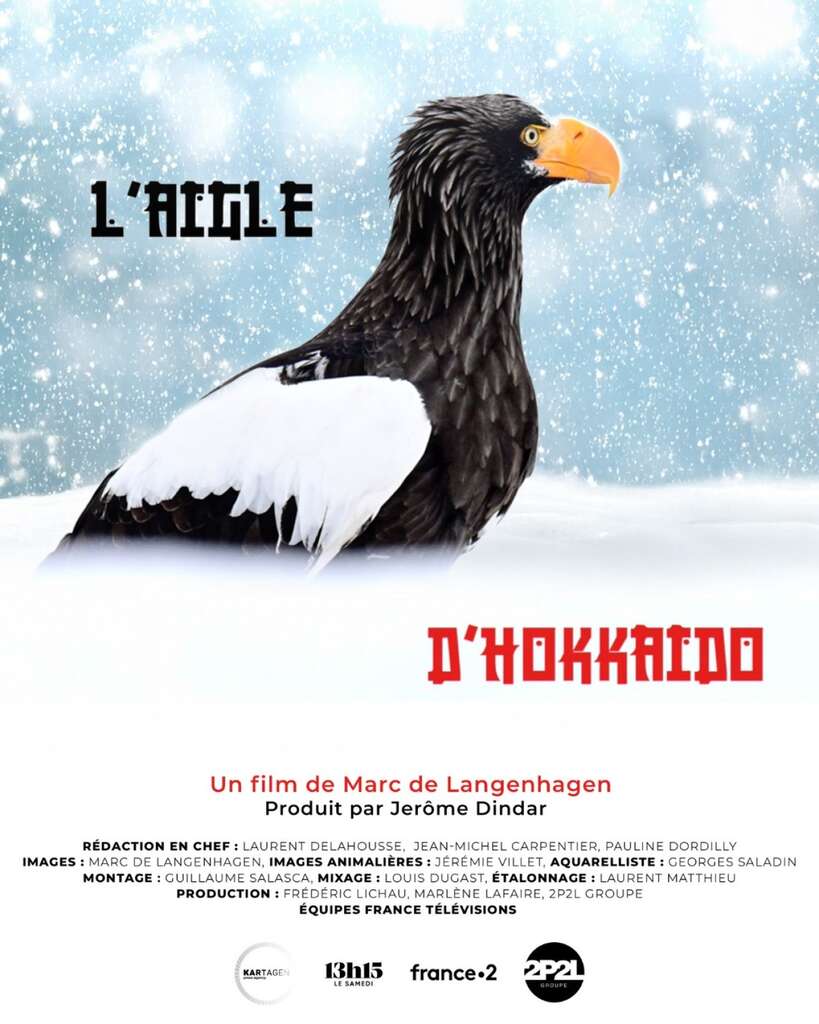
L’aigle d’Hokkaidō
Directed by Marc de Langenhagen (2025)
Running time: 30 minutes
Steller’s eagle is the largest and most powerful of all eagles. It is found only in certain snowy regions of the globe. That’s why photographer Jérémie Villet went to Japan, to the island of Hokkaidō, to try and capture this impressive bird of prey in the snow with his lens, in the company of watercolorist Georges Saladin. An artistic and naturalistic road-trip, which questions the bond between man and animal.

Rêver d’eau pure
Directed by Ciril Jazbec (2024)
Running time: 22 minutes
In the Andes, retreating glaciers are exposing rocks to the open air for the first time in thousands of years. Meltwater now carries heavy metals and acids into the rivers that irrigate crops and feed livestock and people. This is the story of two Peruvian communities who are trying to combat this phenomenon, by combining ancestral traditions and innovative science.